mirror of
https://github.com/sigp/lighthouse.git
synced 2026-03-15 19:02:42 +00:00
 d9f4819fe0
The PR: * Adds the ability to generate a crucial test scenario that isn't possible with `BeaconChainHarness` (i.e. two blocks occupying the same slot; previously forks necessitated skipping slots): 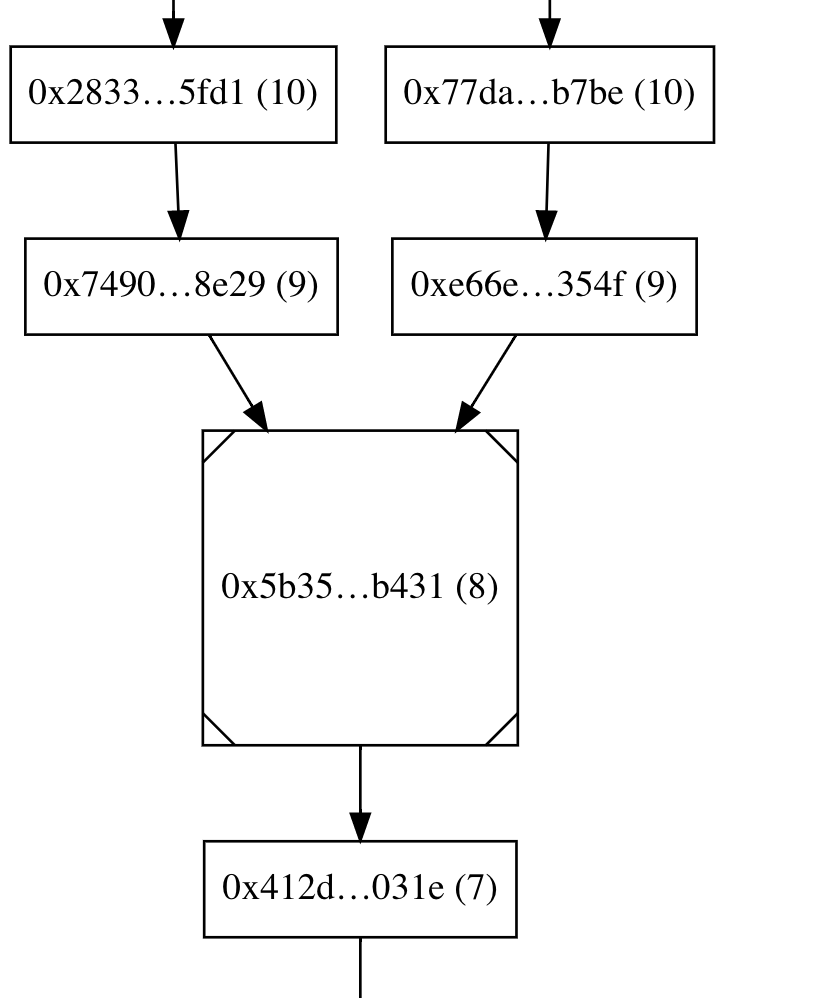 * New testing API: Instead of repeatedly calling add_block(), you generate a sorted `Vec<Slot>` and leave it up to the framework to generate blocks at those slots. * Jumping backwards to an earlier epoch is a hard error, so that tests necessarily generate blocks in a epoch-by-epoch manner. * Configures the test logger so that output is printed on the console in case a test fails. The logger also plays well with `--nocapture`, contrary to the existing testing framework * Rewrites existing fork pruning tests to use the new API * Adds a tests that triggers finalization at a non epoch boundary slot * Renamed `BeaconChainYoke` to `BeaconChainTestingRig` because the former has been too confusing * Fixed multiple tests (e.g. `block_production_different_shuffling_long`, `delete_blocks_and_states`, `shuffling_compatible_simple_fork`) that relied on a weird (and accidental) feature of the old `BeaconChainHarness` that attestations aren't produced for epochs earlier than the current one, thus masking potential bugs in test cases. Co-authored-by: Michael Sproul <michael@sigmaprime.io>

442 lines
17 KiB
Rust
442 lines
17 KiB
Rust
use crate::errors::BeaconChainError;
|
|
use crate::head_tracker::HeadTracker;
|
|
use parking_lot::Mutex;
|
|
use slog::{debug, warn, Logger};
|
|
use std::collections::{HashMap, HashSet};
|
|
use std::mem;
|
|
use std::sync::mpsc;
|
|
use std::sync::Arc;
|
|
use std::thread;
|
|
use store::hot_cold_store::{migrate_database, HotColdDBError};
|
|
use store::iter::RootsIterator;
|
|
use store::{Error, ItemStore, StoreOp};
|
|
pub use store::{HotColdDB, MemoryStore};
|
|
use types::{
|
|
BeaconState, BeaconStateError, BeaconStateHash, Checkpoint, EthSpec, Hash256,
|
|
SignedBeaconBlockHash, Slot,
|
|
};
|
|
|
|
/// Logic errors that can occur during pruning, none of these should ever happen.
|
|
#[derive(Debug)]
|
|
pub enum PruningError {
|
|
IncorrectFinalizedState {
|
|
state_slot: Slot,
|
|
new_finalized_slot: Slot,
|
|
},
|
|
MissingInfoForCanonicalChain {
|
|
slot: Slot,
|
|
},
|
|
UnexpectedEqualStateRoots,
|
|
UnexpectedUnequalStateRoots,
|
|
}
|
|
|
|
/// Trait for migration processes that update the database upon finalization.
|
|
pub trait Migrate<E: EthSpec, Hot: ItemStore<E>, Cold: ItemStore<E>>:
|
|
Send + Sync + 'static
|
|
{
|
|
fn new(db: Arc<HotColdDB<E, Hot, Cold>>, log: Logger) -> Self;
|
|
|
|
fn process_finalization(
|
|
&self,
|
|
_finalized_state_root: BeaconStateHash,
|
|
_new_finalized_state: BeaconState<E>,
|
|
_head_tracker: Arc<HeadTracker>,
|
|
_old_finalized_checkpoint: Checkpoint,
|
|
_new_finalized_checkpoint: Checkpoint,
|
|
) -> Result<(), BeaconChainError> {
|
|
Ok(())
|
|
}
|
|
|
|
/// Traverses live heads and prunes blocks and states of chains that we know can't be built
|
|
/// upon because finalization would prohibit it. This is an optimisation intended to save disk
|
|
/// space.
|
|
///
|
|
/// Assumptions:
|
|
/// * It is called after every finalization.
|
|
fn prune_abandoned_forks(
|
|
store: Arc<HotColdDB<E, Hot, Cold>>,
|
|
head_tracker: Arc<HeadTracker>,
|
|
new_finalized_state_hash: BeaconStateHash,
|
|
new_finalized_state: &BeaconState<E>,
|
|
old_finalized_checkpoint: Checkpoint,
|
|
new_finalized_checkpoint: Checkpoint,
|
|
log: &Logger,
|
|
) -> Result<(), BeaconChainError> {
|
|
// There will never be any blocks to prune if there is only a single head in the chain.
|
|
if head_tracker.heads().len() == 1 {
|
|
return Ok(());
|
|
}
|
|
|
|
let old_finalized_slot = old_finalized_checkpoint
|
|
.epoch
|
|
.start_slot(E::slots_per_epoch());
|
|
let new_finalized_slot = new_finalized_checkpoint
|
|
.epoch
|
|
.start_slot(E::slots_per_epoch());
|
|
let new_finalized_block_hash = new_finalized_checkpoint.root.into();
|
|
|
|
// The finalized state must be for the epoch boundary slot, not the slot of the finalized
|
|
// block.
|
|
if new_finalized_state.slot != new_finalized_slot {
|
|
return Err(PruningError::IncorrectFinalizedState {
|
|
state_slot: new_finalized_state.slot,
|
|
new_finalized_slot,
|
|
}
|
|
.into());
|
|
}
|
|
|
|
debug!(
|
|
log,
|
|
"Starting database pruning";
|
|
"old_finalized_epoch" => old_finalized_checkpoint.epoch,
|
|
"old_finalized_root" => format!("{:?}", old_finalized_checkpoint.root),
|
|
"new_finalized_epoch" => new_finalized_checkpoint.epoch,
|
|
"new_finalized_root" => format!("{:?}", new_finalized_checkpoint.root),
|
|
);
|
|
|
|
// For each slot between the new finalized checkpoint and the old finalized checkpoint,
|
|
// collect the beacon block root and state root of the canonical chain.
|
|
let newly_finalized_chain: HashMap<Slot, (SignedBeaconBlockHash, BeaconStateHash)> =
|
|
std::iter::once(Ok((
|
|
new_finalized_slot,
|
|
(new_finalized_block_hash, new_finalized_state_hash),
|
|
)))
|
|
.chain(
|
|
RootsIterator::new(store.clone(), new_finalized_state).map(|res| {
|
|
res.map(|(block_root, state_root, slot)| {
|
|
(slot, (block_root.into(), state_root.into()))
|
|
})
|
|
}),
|
|
)
|
|
.take_while(|res| {
|
|
res.as_ref()
|
|
.map_or(true, |(slot, _)| *slot >= old_finalized_slot)
|
|
})
|
|
.collect::<Result<_, _>>()?;
|
|
|
|
// We don't know which blocks are shared among abandoned chains, so we buffer and delete
|
|
// everything in one fell swoop.
|
|
let mut abandoned_blocks: HashSet<SignedBeaconBlockHash> = HashSet::new();
|
|
let mut abandoned_states: HashSet<(Slot, BeaconStateHash)> = HashSet::new();
|
|
let mut abandoned_heads: HashSet<Hash256> = HashSet::new();
|
|
|
|
for (head_hash, head_slot) in head_tracker.heads() {
|
|
let mut potentially_abandoned_head = Some(head_hash);
|
|
let mut potentially_abandoned_blocks = vec![];
|
|
|
|
let head_state_hash = store
|
|
.get_block(&head_hash)?
|
|
.ok_or_else(|| BeaconStateError::MissingBeaconBlock(head_hash.into()))?
|
|
.state_root();
|
|
|
|
// Iterate backwards from this head, staging blocks and states for deletion.
|
|
let iter = std::iter::once(Ok((head_hash, head_state_hash, head_slot)))
|
|
.chain(RootsIterator::from_block(store.clone(), head_hash)?);
|
|
|
|
for maybe_tuple in iter {
|
|
let (block_root, state_root, slot) = maybe_tuple?;
|
|
let block_root = SignedBeaconBlockHash::from(block_root);
|
|
let state_root = BeaconStateHash::from(state_root);
|
|
|
|
match newly_finalized_chain.get(&slot) {
|
|
// If there's no information about a slot on the finalized chain, then
|
|
// it should be because it's ahead of the new finalized slot. Stage
|
|
// the fork's block and state for possible deletion.
|
|
None => {
|
|
if slot > new_finalized_slot {
|
|
potentially_abandoned_blocks.push((
|
|
slot,
|
|
Some(block_root),
|
|
Some(state_root),
|
|
));
|
|
} else if slot >= old_finalized_slot {
|
|
return Err(PruningError::MissingInfoForCanonicalChain { slot }.into());
|
|
} else {
|
|
// We must assume here any candidate chains include the old finalized
|
|
// checkpoint, i.e. there aren't any forks starting at a block that is a
|
|
// strict ancestor of old_finalized_checkpoint.
|
|
warn!(
|
|
log,
|
|
"Found a chain that should already have been pruned";
|
|
"head_block_root" => format!("{:?}", head_hash),
|
|
"head_slot" => head_slot,
|
|
);
|
|
break;
|
|
}
|
|
}
|
|
Some((finalized_block_root, finalized_state_root)) => {
|
|
// This fork descends from a newly finalized block, we can stop.
|
|
if block_root == *finalized_block_root {
|
|
// Sanity check: if the slot and block root match, then the
|
|
// state roots should match too.
|
|
if state_root != *finalized_state_root {
|
|
return Err(PruningError::UnexpectedUnequalStateRoots.into());
|
|
}
|
|
|
|
// If the fork descends from the whole finalized chain,
|
|
// do not prune it. Otherwise continue to delete all
|
|
// of the blocks and states that have been staged for
|
|
// deletion so far.
|
|
if slot == new_finalized_slot {
|
|
potentially_abandoned_blocks.clear();
|
|
potentially_abandoned_head.take();
|
|
}
|
|
// If there are skipped slots on the fork to be pruned, then
|
|
// we will have just staged the common block for deletion.
|
|
// Unstage it.
|
|
else {
|
|
for (_, block_root, _) in
|
|
potentially_abandoned_blocks.iter_mut().rev()
|
|
{
|
|
if block_root.as_ref() == Some(finalized_block_root) {
|
|
*block_root = None;
|
|
} else {
|
|
break;
|
|
}
|
|
}
|
|
}
|
|
break;
|
|
} else {
|
|
if state_root == *finalized_state_root {
|
|
return Err(PruningError::UnexpectedEqualStateRoots.into());
|
|
}
|
|
potentially_abandoned_blocks.push((
|
|
slot,
|
|
Some(block_root),
|
|
Some(state_root),
|
|
));
|
|
}
|
|
}
|
|
}
|
|
}
|
|
|
|
if let Some(abandoned_head) = potentially_abandoned_head {
|
|
debug!(
|
|
log,
|
|
"Pruning head";
|
|
"head_block_root" => format!("{:?}", abandoned_head),
|
|
"head_slot" => head_slot,
|
|
);
|
|
abandoned_heads.insert(abandoned_head);
|
|
abandoned_blocks.extend(
|
|
potentially_abandoned_blocks
|
|
.iter()
|
|
.filter_map(|(_, maybe_block_hash, _)| *maybe_block_hash),
|
|
);
|
|
abandoned_states.extend(potentially_abandoned_blocks.iter().filter_map(
|
|
|(slot, _, maybe_state_hash)| maybe_state_hash.map(|sr| (*slot, sr)),
|
|
));
|
|
}
|
|
}
|
|
|
|
let batch: Vec<StoreOp<E>> = abandoned_blocks
|
|
.into_iter()
|
|
.map(StoreOp::DeleteBlock)
|
|
.chain(
|
|
abandoned_states
|
|
.into_iter()
|
|
.map(|(slot, state_hash)| StoreOp::DeleteState(state_hash, slot)),
|
|
)
|
|
.collect();
|
|
|
|
store.do_atomically(batch)?;
|
|
for head_hash in abandoned_heads.into_iter() {
|
|
head_tracker.remove_head(head_hash);
|
|
}
|
|
|
|
debug!(log, "Database pruning complete");
|
|
|
|
Ok(())
|
|
}
|
|
}
|
|
|
|
/// Migrator that does nothing, for stores that don't need migration.
|
|
pub struct NullMigrator;
|
|
|
|
impl<E: EthSpec, Hot: ItemStore<E>, Cold: ItemStore<E>> Migrate<E, Hot, Cold> for NullMigrator {
|
|
fn process_finalization(
|
|
&self,
|
|
_finalized_state_root: BeaconStateHash,
|
|
_new_finalized_state: BeaconState<E>,
|
|
_head_tracker: Arc<HeadTracker>,
|
|
_old_finalized_checkpoint: Checkpoint,
|
|
_new_finalized_checkpoint: Checkpoint,
|
|
) -> Result<(), BeaconChainError> {
|
|
Ok(())
|
|
}
|
|
|
|
fn new(_: Arc<HotColdDB<E, Hot, Cold>>, _: Logger) -> Self {
|
|
NullMigrator
|
|
}
|
|
}
|
|
|
|
/// Migrator that immediately calls the store's migration function, blocking the current execution.
|
|
///
|
|
/// Mostly useful for tests.
|
|
pub struct BlockingMigrator<E: EthSpec, Hot: ItemStore<E>, Cold: ItemStore<E>> {
|
|
db: Arc<HotColdDB<E, Hot, Cold>>,
|
|
log: Logger,
|
|
}
|
|
|
|
impl<E: EthSpec, Hot: ItemStore<E>, Cold: ItemStore<E>> Migrate<E, Hot, Cold>
|
|
for BlockingMigrator<E, Hot, Cold>
|
|
{
|
|
fn new(db: Arc<HotColdDB<E, Hot, Cold>>, log: Logger) -> Self {
|
|
BlockingMigrator { db, log }
|
|
}
|
|
|
|
fn process_finalization(
|
|
&self,
|
|
finalized_state_root: BeaconStateHash,
|
|
new_finalized_state: BeaconState<E>,
|
|
head_tracker: Arc<HeadTracker>,
|
|
old_finalized_checkpoint: Checkpoint,
|
|
new_finalized_checkpoint: Checkpoint,
|
|
) -> Result<(), BeaconChainError> {
|
|
Self::prune_abandoned_forks(
|
|
self.db.clone(),
|
|
head_tracker,
|
|
finalized_state_root,
|
|
&new_finalized_state,
|
|
old_finalized_checkpoint,
|
|
new_finalized_checkpoint,
|
|
&self.log,
|
|
)?;
|
|
|
|
match migrate_database(
|
|
self.db.clone(),
|
|
finalized_state_root.into(),
|
|
&new_finalized_state,
|
|
) {
|
|
Ok(()) => Ok(()),
|
|
Err(Error::HotColdDBError(HotColdDBError::FreezeSlotUnaligned(slot))) => {
|
|
debug!(
|
|
self.log,
|
|
"Database migration postponed, unaligned finalized block";
|
|
"slot" => slot.as_u64()
|
|
);
|
|
Ok(())
|
|
}
|
|
Err(e) => Err(e.into()),
|
|
}
|
|
}
|
|
}
|
|
|
|
type MpscSender<E> = mpsc::Sender<(
|
|
BeaconStateHash,
|
|
BeaconState<E>,
|
|
Arc<HeadTracker>,
|
|
Checkpoint,
|
|
Checkpoint,
|
|
)>;
|
|
|
|
/// Migrator that runs a background thread to migrate state from the hot to the cold database.
|
|
pub struct BackgroundMigrator<E: EthSpec, Hot: ItemStore<E>, Cold: ItemStore<E>> {
|
|
db: Arc<HotColdDB<E, Hot, Cold>>,
|
|
tx_thread: Mutex<(MpscSender<E>, thread::JoinHandle<()>)>,
|
|
log: Logger,
|
|
}
|
|
|
|
impl<E: EthSpec, Hot: ItemStore<E>, Cold: ItemStore<E>> Migrate<E, Hot, Cold>
|
|
for BackgroundMigrator<E, Hot, Cold>
|
|
{
|
|
fn new(db: Arc<HotColdDB<E, Hot, Cold>>, log: Logger) -> Self {
|
|
let tx_thread = Mutex::new(Self::spawn_thread(db.clone(), log.clone()));
|
|
Self { db, tx_thread, log }
|
|
}
|
|
|
|
fn process_finalization(
|
|
&self,
|
|
finalized_state_root: BeaconStateHash,
|
|
new_finalized_state: BeaconState<E>,
|
|
head_tracker: Arc<HeadTracker>,
|
|
old_finalized_checkpoint: Checkpoint,
|
|
new_finalized_checkpoint: Checkpoint,
|
|
) -> Result<(), BeaconChainError> {
|
|
let (ref mut tx, ref mut thread) = *self.tx_thread.lock();
|
|
|
|
if let Err(tx_err) = tx.send((
|
|
finalized_state_root,
|
|
new_finalized_state,
|
|
head_tracker,
|
|
old_finalized_checkpoint,
|
|
new_finalized_checkpoint,
|
|
)) {
|
|
let (new_tx, new_thread) = Self::spawn_thread(self.db.clone(), self.log.clone());
|
|
|
|
*tx = new_tx;
|
|
let old_thread = mem::replace(thread, new_thread);
|
|
|
|
// Join the old thread, which will probably have panicked, or may have
|
|
// halted normally just now as a result of us dropping the old `mpsc::Sender`.
|
|
if let Err(thread_err) = old_thread.join() {
|
|
warn!(
|
|
self.log,
|
|
"Migration thread died, so it was restarted";
|
|
"reason" => format!("{:?}", thread_err)
|
|
);
|
|
}
|
|
|
|
// Retry at most once, we could recurse but that would risk overflowing the stack.
|
|
let _ = tx.send(tx_err.0);
|
|
}
|
|
|
|
Ok(())
|
|
}
|
|
}
|
|
|
|
impl<E: EthSpec, Hot: ItemStore<E>, Cold: ItemStore<E>> BackgroundMigrator<E, Hot, Cold> {
|
|
/// Spawn a new child thread to run the migration process.
|
|
///
|
|
/// Return a channel handle for sending new finalized states to the thread.
|
|
fn spawn_thread(
|
|
db: Arc<HotColdDB<E, Hot, Cold>>,
|
|
log: Logger,
|
|
) -> (MpscSender<E>, thread::JoinHandle<()>) {
|
|
let (tx, rx) = mpsc::channel();
|
|
let thread = thread::spawn(move || {
|
|
while let Ok((
|
|
state_root,
|
|
state,
|
|
head_tracker,
|
|
old_finalized_checkpoint,
|
|
new_finalized_checkpoint,
|
|
)) = rx.recv()
|
|
{
|
|
match Self::prune_abandoned_forks(
|
|
db.clone(),
|
|
head_tracker,
|
|
state_root,
|
|
&state,
|
|
old_finalized_checkpoint,
|
|
new_finalized_checkpoint,
|
|
&log,
|
|
) {
|
|
Ok(()) => {}
|
|
Err(e) => warn!(log, "Block pruning failed: {:?}", e),
|
|
}
|
|
|
|
match migrate_database(db.clone(), state_root.into(), &state) {
|
|
Ok(()) => {}
|
|
Err(Error::HotColdDBError(HotColdDBError::FreezeSlotUnaligned(slot))) => {
|
|
debug!(
|
|
log,
|
|
"Database migration postponed, unaligned finalized block";
|
|
"slot" => slot.as_u64()
|
|
);
|
|
}
|
|
Err(e) => {
|
|
warn!(
|
|
log,
|
|
"Database migration failed";
|
|
"error" => format!("{:?}", e)
|
|
);
|
|
}
|
|
};
|
|
}
|
|
});
|
|
|
|
(tx, thread)
|
|
}
|
|
}
|