mirror of
https://github.com/sigp/lighthouse.git
synced 2026-03-09 19:51:47 +00:00
 d9f4819fe0
The PR: * Adds the ability to generate a crucial test scenario that isn't possible with `BeaconChainHarness` (i.e. two blocks occupying the same slot; previously forks necessitated skipping slots): 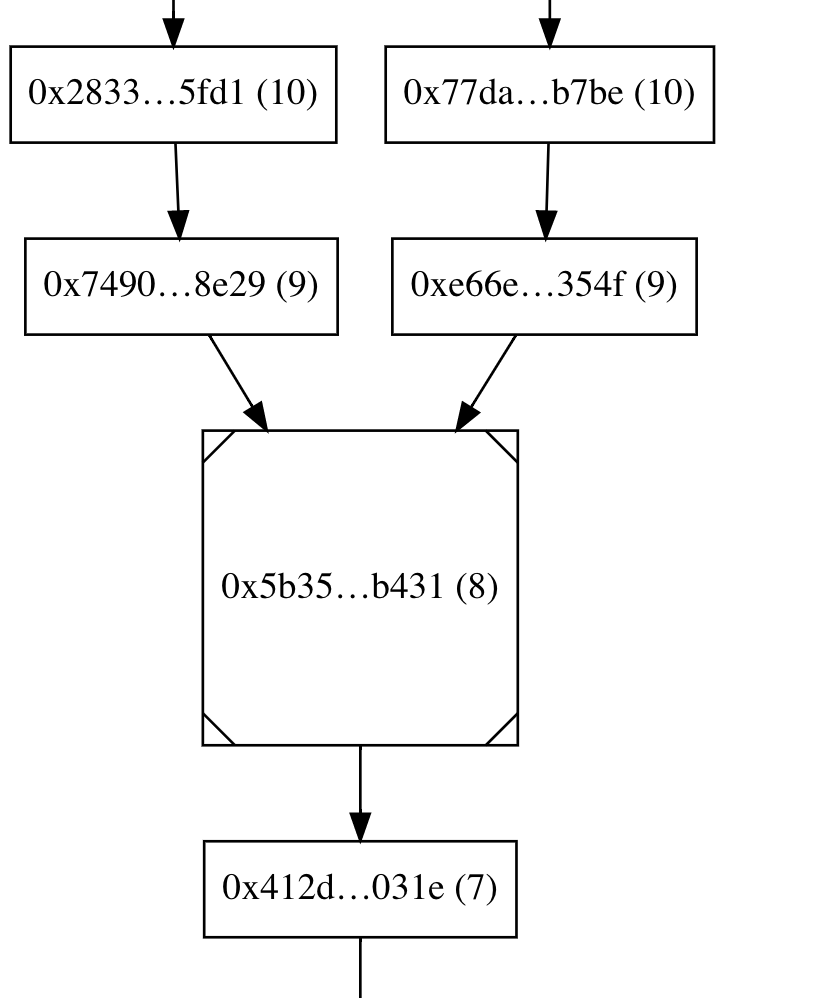 * New testing API: Instead of repeatedly calling add_block(), you generate a sorted `Vec<Slot>` and leave it up to the framework to generate blocks at those slots. * Jumping backwards to an earlier epoch is a hard error, so that tests necessarily generate blocks in a epoch-by-epoch manner. * Configures the test logger so that output is printed on the console in case a test fails. The logger also plays well with `--nocapture`, contrary to the existing testing framework * Rewrites existing fork pruning tests to use the new API * Adds a tests that triggers finalization at a non epoch boundary slot * Renamed `BeaconChainYoke` to `BeaconChainTestingRig` because the former has been too confusing * Fixed multiple tests (e.g. `block_production_different_shuffling_long`, `delete_blocks_and_states`, `shuffling_compatible_simple_fork`) that relied on a weird (and accidental) feature of the old `BeaconChainHarness` that attestations aren't produced for epochs earlier than the current one, thus masking potential bugs in test cases. Co-authored-by: Michael Sproul <michael@sigmaprime.io>

935 lines
34 KiB
Rust
935 lines
34 KiB
Rust
pub use crate::beacon_chain::{
|
|
BEACON_CHAIN_DB_KEY, ETH1_CACHE_DB_KEY, FORK_CHOICE_DB_KEY, OP_POOL_DB_KEY,
|
|
};
|
|
use crate::migrate::{BlockingMigrator, Migrate, NullMigrator};
|
|
pub use crate::persisted_beacon_chain::PersistedBeaconChain;
|
|
use crate::slog::Drain;
|
|
use crate::{
|
|
builder::{BeaconChainBuilder, Witness},
|
|
eth1_chain::CachingEth1Backend,
|
|
events::NullEventHandler,
|
|
BeaconChain, BeaconChainTypes, StateSkipConfig,
|
|
};
|
|
use genesis::interop_genesis_state;
|
|
use rand::rngs::StdRng;
|
|
use rand::Rng;
|
|
use rand_core::SeedableRng;
|
|
use rayon::prelude::*;
|
|
use sloggers::{null::NullLoggerBuilder, Build};
|
|
use slot_clock::TestingSlotClock;
|
|
use state_processing::per_slot_processing;
|
|
use std::borrow::Cow;
|
|
use std::collections::{HashMap, HashSet};
|
|
use std::sync::Arc;
|
|
use std::time::Duration;
|
|
use store::{config::StoreConfig, BlockReplay, HotColdDB, ItemStore, LevelDB, MemoryStore};
|
|
use tempfile::{tempdir, TempDir};
|
|
use tree_hash::TreeHash;
|
|
use types::{
|
|
AggregateSignature, Attestation, BeaconState, BeaconStateHash, ChainSpec, Domain, Epoch,
|
|
EthSpec, Hash256, Keypair, SelectionProof, SignedAggregateAndProof, SignedBeaconBlock,
|
|
SignedBeaconBlockHash, SignedRoot, Slot, SubnetId,
|
|
};
|
|
|
|
pub use types::test_utils::generate_deterministic_keypairs;
|
|
|
|
// 4th September 2019
|
|
pub const HARNESS_GENESIS_TIME: u64 = 1_567_552_690;
|
|
// This parameter is required by a builder but not used because we use the `TestingSlotClock`.
|
|
pub const HARNESS_SLOT_TIME: Duration = Duration::from_secs(1);
|
|
|
|
pub type BaseHarnessType<TStoreMigrator, TEthSpec, THotStore, TColdStore> = Witness<
|
|
TStoreMigrator,
|
|
TestingSlotClock,
|
|
CachingEth1Backend<TEthSpec>,
|
|
TEthSpec,
|
|
NullEventHandler<TEthSpec>,
|
|
THotStore,
|
|
TColdStore,
|
|
>;
|
|
|
|
pub type NullMigratorEphemeralHarnessType<E> =
|
|
BaseHarnessType<NullMigrator, E, MemoryStore<E>, MemoryStore<E>>;
|
|
pub type BlockingMigratorDiskHarnessType<E> =
|
|
BaseHarnessType<BlockingMigrator<E, LevelDB<E>, LevelDB<E>>, E, LevelDB<E>, LevelDB<E>>;
|
|
pub type BlockingMigratorEphemeralHarnessType<E> = BaseHarnessType<
|
|
BlockingMigrator<E, MemoryStore<E>, MemoryStore<E>>,
|
|
E,
|
|
MemoryStore<E>,
|
|
MemoryStore<E>,
|
|
>;
|
|
|
|
pub type AddBlocksResult<E> = (
|
|
HashMap<Slot, SignedBeaconBlockHash>,
|
|
HashMap<Slot, BeaconStateHash>,
|
|
SignedBeaconBlockHash,
|
|
BeaconState<E>,
|
|
);
|
|
|
|
/// Deprecated: Indicates how the `BeaconChainHarness` should produce blocks.
|
|
#[derive(Clone, Copy, Debug)]
|
|
pub enum BlockStrategy {
|
|
/// Produce blocks upon the canonical head (normal case).
|
|
OnCanonicalHead,
|
|
/// Ignore the canonical head and produce blocks upon the block at the given slot.
|
|
///
|
|
/// Useful for simulating forks.
|
|
ForkCanonicalChainAt {
|
|
/// The slot of the parent of the first block produced.
|
|
previous_slot: Slot,
|
|
/// The slot of the first block produced (must be higher than `previous_slot`.
|
|
first_slot: Slot,
|
|
},
|
|
}
|
|
|
|
/// Deprecated: Indicates how the `BeaconChainHarness` should produce attestations.
|
|
#[derive(Clone, Debug)]
|
|
pub enum AttestationStrategy {
|
|
/// All validators attest to whichever block the `BeaconChainHarness` has produced.
|
|
AllValidators,
|
|
/// Only the given validators should attest. All others should fail to produce attestations.
|
|
SomeValidators(Vec<usize>),
|
|
}
|
|
|
|
fn make_rng() -> StdRng {
|
|
// Nondeterminism in tests is a highly undesirable thing. Seed the RNG to some arbitrary
|
|
// but fixed value for reproducibility.
|
|
StdRng::seed_from_u64(0x0DDB1A5E5BAD5EEDu64)
|
|
}
|
|
|
|
/// A testing harness which can instantiate a `BeaconChain` and populate it with blocks and
|
|
/// attestations.
|
|
///
|
|
/// Used for testing.
|
|
pub struct BeaconChainHarness<T: BeaconChainTypes> {
|
|
pub validators_keypairs: Vec<Keypair>,
|
|
|
|
pub chain: BeaconChain<T>,
|
|
pub spec: ChainSpec,
|
|
pub data_dir: TempDir,
|
|
|
|
pub rng: StdRng,
|
|
}
|
|
|
|
type HarnessAttestations<E> = Vec<(
|
|
Vec<(Attestation<E>, SubnetId)>,
|
|
Option<SignedAggregateAndProof<E>>,
|
|
)>;
|
|
|
|
impl<E: EthSpec> BeaconChainHarness<BlockingMigratorEphemeralHarnessType<E>> {
|
|
pub fn new(eth_spec_instance: E, validators_keypairs: Vec<Keypair>) -> Self {
|
|
let data_dir = tempdir().unwrap();
|
|
let mut spec = E::default_spec();
|
|
|
|
// Setting the target aggregators to really high means that _all_ validators in the
|
|
// committee are required to produce an aggregate. This is overkill, however with small
|
|
// validator counts it's the only way to be certain there is _at least one_ aggregator per
|
|
// committee.
|
|
spec.target_aggregators_per_committee = 1 << 32;
|
|
|
|
let decorator = slog_term::PlainDecorator::new(slog_term::TestStdoutWriter);
|
|
let drain = slog_term::FullFormat::new(decorator).build();
|
|
let debug_level = slog::LevelFilter::new(drain, slog::Level::Debug);
|
|
let log = slog::Logger::root(std::sync::Mutex::new(debug_level).fuse(), o!());
|
|
|
|
let config = StoreConfig::default();
|
|
let store = Arc::new(HotColdDB::open_ephemeral(config, spec.clone(), log.clone()).unwrap());
|
|
|
|
let chain = BeaconChainBuilder::new(eth_spec_instance)
|
|
.logger(log.clone())
|
|
.custom_spec(spec.clone())
|
|
.store(store.clone())
|
|
.store_migrator(BlockingMigrator::new(store, log.clone()))
|
|
.data_dir(data_dir.path().to_path_buf())
|
|
.genesis_state(
|
|
interop_genesis_state::<E>(&validators_keypairs, HARNESS_GENESIS_TIME, &spec)
|
|
.unwrap(),
|
|
)
|
|
.unwrap()
|
|
.dummy_eth1_backend()
|
|
.unwrap()
|
|
.null_event_handler()
|
|
.testing_slot_clock(HARNESS_SLOT_TIME)
|
|
.unwrap()
|
|
.build()
|
|
.unwrap();
|
|
|
|
Self {
|
|
spec: chain.spec.clone(),
|
|
chain,
|
|
validators_keypairs,
|
|
data_dir,
|
|
rng: make_rng(),
|
|
}
|
|
}
|
|
}
|
|
|
|
impl<E: EthSpec> BeaconChainHarness<NullMigratorEphemeralHarnessType<E>> {
|
|
/// Instantiate a new harness with `validator_count` initial validators.
|
|
pub fn new_with_store_config(
|
|
eth_spec_instance: E,
|
|
validators_keypairs: Vec<Keypair>,
|
|
config: StoreConfig,
|
|
) -> Self {
|
|
// Setting the target aggregators to really high means that _all_ validators in the
|
|
// committee are required to produce an aggregate. This is overkill, however with small
|
|
// validator counts it's the only way to be certain there is _at least one_ aggregator per
|
|
// committee.
|
|
Self::new_with_target_aggregators(eth_spec_instance, validators_keypairs, 1 << 32, config)
|
|
}
|
|
|
|
/// Instantiate a new harness with `validator_count` initial validators and a custom
|
|
/// `target_aggregators_per_committee` spec value
|
|
pub fn new_with_target_aggregators(
|
|
eth_spec_instance: E,
|
|
validators_keypairs: Vec<Keypair>,
|
|
target_aggregators_per_committee: u64,
|
|
config: StoreConfig,
|
|
) -> Self {
|
|
let data_dir = tempdir().expect("should create temporary data_dir");
|
|
let mut spec = E::default_spec();
|
|
|
|
spec.target_aggregators_per_committee = target_aggregators_per_committee;
|
|
|
|
let decorator = slog_term::PlainDecorator::new(slog_term::TestStdoutWriter);
|
|
let drain = slog_term::FullFormat::new(decorator).build();
|
|
let debug_level = slog::LevelFilter::new(drain, slog::Level::Debug);
|
|
let log = slog::Logger::root(std::sync::Mutex::new(debug_level).fuse(), o!());
|
|
|
|
let store = HotColdDB::open_ephemeral(config, spec.clone(), log.clone()).unwrap();
|
|
let chain = BeaconChainBuilder::new(eth_spec_instance)
|
|
.logger(log)
|
|
.custom_spec(spec.clone())
|
|
.store(Arc::new(store))
|
|
.store_migrator(NullMigrator)
|
|
.data_dir(data_dir.path().to_path_buf())
|
|
.genesis_state(
|
|
interop_genesis_state::<E>(&validators_keypairs, HARNESS_GENESIS_TIME, &spec)
|
|
.expect("should generate interop state"),
|
|
)
|
|
.expect("should build state using recent genesis")
|
|
.dummy_eth1_backend()
|
|
.expect("should build dummy backend")
|
|
.null_event_handler()
|
|
.testing_slot_clock(HARNESS_SLOT_TIME)
|
|
.expect("should configure testing slot clock")
|
|
.build()
|
|
.expect("should build");
|
|
|
|
Self {
|
|
spec: chain.spec.clone(),
|
|
chain,
|
|
validators_keypairs,
|
|
data_dir,
|
|
rng: make_rng(),
|
|
}
|
|
}
|
|
}
|
|
|
|
impl<E: EthSpec> BeaconChainHarness<BlockingMigratorDiskHarnessType<E>> {
|
|
/// Instantiate a new harness with `validator_count` initial validators.
|
|
pub fn new_with_disk_store(
|
|
eth_spec_instance: E,
|
|
store: Arc<HotColdDB<E, LevelDB<E>, LevelDB<E>>>,
|
|
validators_keypairs: Vec<Keypair>,
|
|
) -> Self {
|
|
let data_dir = tempdir().expect("should create temporary data_dir");
|
|
let spec = E::default_spec();
|
|
|
|
let decorator = slog_term::PlainDecorator::new(slog_term::TestStdoutWriter);
|
|
let drain = slog_term::FullFormat::new(decorator).build();
|
|
let debug_level = slog::LevelFilter::new(drain, slog::Level::Debug);
|
|
let log = slog::Logger::root(std::sync::Mutex::new(debug_level).fuse(), o!());
|
|
|
|
let chain = BeaconChainBuilder::new(eth_spec_instance)
|
|
.logger(log.clone())
|
|
.custom_spec(spec.clone())
|
|
.import_max_skip_slots(None)
|
|
.store(store.clone())
|
|
.store_migrator(BlockingMigrator::new(store, log.clone()))
|
|
.data_dir(data_dir.path().to_path_buf())
|
|
.genesis_state(
|
|
interop_genesis_state::<E>(&validators_keypairs, HARNESS_GENESIS_TIME, &spec)
|
|
.expect("should generate interop state"),
|
|
)
|
|
.expect("should build state using recent genesis")
|
|
.dummy_eth1_backend()
|
|
.expect("should build dummy backend")
|
|
.null_event_handler()
|
|
.testing_slot_clock(HARNESS_SLOT_TIME)
|
|
.expect("should configure testing slot clock")
|
|
.build()
|
|
.expect("should build");
|
|
|
|
Self {
|
|
spec: chain.spec.clone(),
|
|
chain,
|
|
validators_keypairs,
|
|
data_dir,
|
|
rng: make_rng(),
|
|
}
|
|
}
|
|
}
|
|
|
|
impl<E: EthSpec> BeaconChainHarness<BlockingMigratorDiskHarnessType<E>> {
|
|
/// Instantiate a new harness with `validator_count` initial validators.
|
|
pub fn resume_from_disk_store(
|
|
eth_spec_instance: E,
|
|
store: Arc<HotColdDB<E, LevelDB<E>, LevelDB<E>>>,
|
|
validators_keypairs: Vec<Keypair>,
|
|
data_dir: TempDir,
|
|
) -> Self {
|
|
let spec = E::default_spec();
|
|
|
|
let log = NullLoggerBuilder.build().expect("logger should build");
|
|
|
|
let chain = BeaconChainBuilder::new(eth_spec_instance)
|
|
.logger(log.clone())
|
|
.custom_spec(spec)
|
|
.import_max_skip_slots(None)
|
|
.store(store.clone())
|
|
.store_migrator(<BlockingMigrator<_, _, _> as Migrate<E, _, _>>::new(
|
|
store,
|
|
log.clone(),
|
|
))
|
|
.data_dir(data_dir.path().to_path_buf())
|
|
.resume_from_db()
|
|
.expect("should resume beacon chain from db")
|
|
.dummy_eth1_backend()
|
|
.expect("should build dummy backend")
|
|
.null_event_handler()
|
|
.testing_slot_clock(Duration::from_secs(1))
|
|
.expect("should configure testing slot clock")
|
|
.build()
|
|
.expect("should build");
|
|
|
|
Self {
|
|
spec: chain.spec.clone(),
|
|
chain,
|
|
validators_keypairs,
|
|
data_dir,
|
|
rng: make_rng(),
|
|
}
|
|
}
|
|
}
|
|
|
|
impl<M, E, Hot, Cold> BeaconChainHarness<BaseHarnessType<M, E, Hot, Cold>>
|
|
where
|
|
M: Migrate<E, Hot, Cold>,
|
|
E: EthSpec,
|
|
Hot: ItemStore<E>,
|
|
Cold: ItemStore<E>,
|
|
{
|
|
pub fn get_all_validators(&self) -> Vec<usize> {
|
|
(0..self.validators_keypairs.len()).collect()
|
|
}
|
|
|
|
pub fn slots_per_epoch(&self) -> u64 {
|
|
E::slots_per_epoch()
|
|
}
|
|
|
|
pub fn epoch_start_slot(&self, epoch: u64) -> u64 {
|
|
let epoch = Epoch::new(epoch);
|
|
epoch.start_slot(E::slots_per_epoch()).into()
|
|
}
|
|
|
|
pub fn get_current_state(&self) -> BeaconState<E> {
|
|
self.chain.head().unwrap().beacon_state
|
|
}
|
|
|
|
pub fn get_current_slot(&self) -> Slot {
|
|
self.chain.slot().unwrap()
|
|
}
|
|
|
|
pub fn get_block(&self, block_hash: SignedBeaconBlockHash) -> Option<SignedBeaconBlock<E>> {
|
|
self.chain.get_block(&block_hash.into()).unwrap()
|
|
}
|
|
|
|
pub fn block_exists(&self, block_hash: SignedBeaconBlockHash) -> bool {
|
|
self.get_block(block_hash).is_some()
|
|
}
|
|
|
|
pub fn get_hot_state(&self, state_hash: BeaconStateHash) -> Option<BeaconState<E>> {
|
|
self.chain
|
|
.store
|
|
.load_hot_state(&state_hash.into(), BlockReplay::Accurate)
|
|
.unwrap()
|
|
}
|
|
|
|
pub fn get_cold_state(&self, state_hash: BeaconStateHash) -> Option<BeaconState<E>> {
|
|
self.chain
|
|
.store
|
|
.load_cold_state(&state_hash.into())
|
|
.unwrap()
|
|
}
|
|
|
|
pub fn hot_state_exists(&self, state_hash: BeaconStateHash) -> bool {
|
|
self.get_hot_state(state_hash).is_some()
|
|
}
|
|
|
|
pub fn cold_state_exists(&self, state_hash: BeaconStateHash) -> bool {
|
|
self.get_cold_state(state_hash).is_some()
|
|
}
|
|
|
|
pub fn is_skipped_slot(&self, state: &BeaconState<E>, slot: Slot) -> bool {
|
|
state.get_block_root(slot).unwrap() == state.get_block_root(slot - 1).unwrap()
|
|
}
|
|
|
|
pub fn make_block(
|
|
&mut self,
|
|
mut state: BeaconState<E>,
|
|
slot: Slot,
|
|
) -> (SignedBeaconBlock<E>, BeaconState<E>) {
|
|
assert_ne!(slot, 0, "can't produce a block at slot 0");
|
|
assert!(slot >= state.slot);
|
|
|
|
while state.slot < slot {
|
|
per_slot_processing(&mut state, None, &self.spec)
|
|
.expect("should be able to advance state to slot");
|
|
}
|
|
|
|
state
|
|
.build_all_caches(&self.spec)
|
|
.expect("should build caches");
|
|
|
|
let proposer_index = state.get_beacon_proposer_index(slot, &self.spec).unwrap();
|
|
|
|
// If we produce two blocks for the same slot, they hash up to the same value and
|
|
// BeaconChain errors out with `BlockIsAlreadyKnown`. Vary the graffiti so that we produce
|
|
// different blocks each time.
|
|
self.chain.set_graffiti(self.rng.gen::<[u8; 32]>());
|
|
|
|
let randao_reveal = {
|
|
let epoch = slot.epoch(E::slots_per_epoch());
|
|
let domain = self.spec.get_domain(
|
|
epoch,
|
|
Domain::Randao,
|
|
&state.fork,
|
|
state.genesis_validators_root,
|
|
);
|
|
let message = epoch.signing_root(domain);
|
|
let sk = &self.validators_keypairs[proposer_index].sk;
|
|
sk.sign(message)
|
|
};
|
|
|
|
let (block, state) = self
|
|
.chain
|
|
.produce_block_on_state(state, slot, randao_reveal, None)
|
|
.unwrap();
|
|
|
|
let signed_block = block.sign(
|
|
&self.validators_keypairs[proposer_index].sk,
|
|
&state.fork,
|
|
state.genesis_validators_root,
|
|
&self.spec,
|
|
);
|
|
|
|
(signed_block, state)
|
|
}
|
|
|
|
/// A list of attestations for each committee for the given slot.
|
|
///
|
|
/// The first layer of the Vec is organised per committee. For example, if the return value is
|
|
/// called `all_attestations`, then all attestations in `all_attestations[0]` will be for
|
|
/// committee 0, whilst all in `all_attestations[1]` will be for committee 1.
|
|
pub fn make_unaggregated_attestations(
|
|
&self,
|
|
attesting_validators: &[usize],
|
|
state: &BeaconState<E>,
|
|
head_block_root: SignedBeaconBlockHash,
|
|
attestation_slot: Slot,
|
|
) -> Vec<Vec<(Attestation<E>, SubnetId)>> {
|
|
let committee_count = state.get_committee_count_at_slot(state.slot).unwrap();
|
|
|
|
state
|
|
.get_beacon_committees_at_slot(state.slot)
|
|
.unwrap()
|
|
.iter()
|
|
.map(|bc| {
|
|
bc.committee
|
|
.par_iter()
|
|
.enumerate()
|
|
.filter_map(|(i, validator_index)| {
|
|
if !attesting_validators.contains(validator_index) {
|
|
return None;
|
|
}
|
|
let mut attestation = self
|
|
.chain
|
|
.produce_unaggregated_attestation_for_block(
|
|
attestation_slot,
|
|
bc.index,
|
|
head_block_root.into(),
|
|
Cow::Borrowed(state),
|
|
)
|
|
.unwrap();
|
|
|
|
attestation.aggregation_bits.set(i, true).unwrap();
|
|
|
|
attestation.signature = {
|
|
let domain = self.spec.get_domain(
|
|
attestation.data.target.epoch,
|
|
Domain::BeaconAttester,
|
|
&state.fork,
|
|
state.genesis_validators_root,
|
|
);
|
|
|
|
let message = attestation.data.signing_root(domain);
|
|
|
|
let mut agg_sig = AggregateSignature::infinity();
|
|
|
|
agg_sig.add_assign(
|
|
&self.validators_keypairs[*validator_index].sk.sign(message),
|
|
);
|
|
|
|
agg_sig
|
|
};
|
|
|
|
let subnet_id = SubnetId::compute_subnet_for_attestation_data::<E>(
|
|
&attestation.data,
|
|
committee_count,
|
|
&self.chain.spec,
|
|
)
|
|
.unwrap();
|
|
|
|
Some((attestation, subnet_id))
|
|
})
|
|
.collect()
|
|
})
|
|
.collect()
|
|
}
|
|
|
|
/// Deprecated: Use make_unaggregated_attestations() instead.
|
|
///
|
|
/// A list of attestations for each committee for the given slot.
|
|
///
|
|
/// The first layer of the Vec is organised per committee. For example, if the return value is
|
|
/// called `all_attestations`, then all attestations in `all_attestations[0]` will be for
|
|
/// committee 0, whilst all in `all_attestations[1]` will be for committee 1.
|
|
pub fn get_unaggregated_attestations(
|
|
&self,
|
|
attestation_strategy: &AttestationStrategy,
|
|
state: &BeaconState<E>,
|
|
head_block_root: Hash256,
|
|
attestation_slot: Slot,
|
|
) -> Vec<Vec<(Attestation<E>, SubnetId)>> {
|
|
let validators: Vec<usize> = match attestation_strategy {
|
|
AttestationStrategy::AllValidators => self.get_all_validators(),
|
|
AttestationStrategy::SomeValidators(vals) => vals.clone(),
|
|
};
|
|
self.make_unaggregated_attestations(
|
|
&validators,
|
|
state,
|
|
head_block_root.into(),
|
|
attestation_slot,
|
|
)
|
|
}
|
|
|
|
pub fn make_attestations(
|
|
&self,
|
|
attesting_validators: &[usize],
|
|
state: &BeaconState<E>,
|
|
block_hash: SignedBeaconBlockHash,
|
|
slot: Slot,
|
|
) -> HarnessAttestations<E> {
|
|
let unaggregated_attestations =
|
|
self.make_unaggregated_attestations(&attesting_validators, &state, block_hash, slot);
|
|
|
|
let aggregated_attestations: Vec<Option<SignedAggregateAndProof<E>>> = unaggregated_attestations
|
|
.iter()
|
|
.map(|committee_attestations| {
|
|
// If there are any attestations in this committee, create an aggregate.
|
|
if let Some((attestation, _)) = committee_attestations.first() {
|
|
let bc = state.get_beacon_committee(attestation.data.slot, attestation.data.index)
|
|
.unwrap();
|
|
|
|
let aggregator_index = bc.committee
|
|
.iter()
|
|
.find(|&validator_index| {
|
|
if !attesting_validators.contains(validator_index) {
|
|
return false
|
|
}
|
|
|
|
let selection_proof = SelectionProof::new::<E>(
|
|
state.slot,
|
|
&self.validators_keypairs[*validator_index].sk,
|
|
&state.fork,
|
|
state.genesis_validators_root,
|
|
&self.spec,
|
|
);
|
|
|
|
selection_proof.is_aggregator(bc.committee.len(), &self.spec).unwrap_or(false)
|
|
})
|
|
.copied()
|
|
.unwrap_or_else(|| panic!(
|
|
"Committee {} at slot {} with {} attesting validators does not have any aggregators",
|
|
bc.index, state.slot, bc.committee.len()
|
|
));
|
|
|
|
// If the chain is able to produce an aggregate, use that. Otherwise, build an
|
|
// aggregate locally.
|
|
let aggregate = self
|
|
.chain
|
|
.get_aggregated_attestation(&attestation.data)
|
|
.unwrap()
|
|
.unwrap_or_else(|| {
|
|
committee_attestations.iter().skip(1).fold(attestation.clone(), |mut agg, (att, _)| {
|
|
agg.aggregate(att);
|
|
agg
|
|
})
|
|
});
|
|
|
|
let signed_aggregate = SignedAggregateAndProof::from_aggregate(
|
|
aggregator_index as u64,
|
|
aggregate,
|
|
None,
|
|
&self.validators_keypairs[aggregator_index].sk,
|
|
&state.fork,
|
|
state.genesis_validators_root,
|
|
&self.spec,
|
|
);
|
|
|
|
Some(signed_aggregate)
|
|
}
|
|
else {
|
|
None
|
|
}
|
|
}).collect();
|
|
|
|
unaggregated_attestations
|
|
.into_iter()
|
|
.zip(aggregated_attestations)
|
|
.collect()
|
|
}
|
|
|
|
pub fn process_block(&self, slot: Slot, block: SignedBeaconBlock<E>) -> SignedBeaconBlockHash {
|
|
assert_eq!(self.chain.slot().unwrap(), slot);
|
|
let block_hash: SignedBeaconBlockHash = self.chain.process_block(block).unwrap().into();
|
|
self.chain.fork_choice().unwrap();
|
|
block_hash
|
|
}
|
|
|
|
pub fn process_attestations(&self, attestations: HarnessAttestations<E>) {
|
|
for (unaggregated_attestations, maybe_signed_aggregate) in attestations.into_iter() {
|
|
for (attestation, subnet_id) in unaggregated_attestations {
|
|
self.chain
|
|
.verify_unaggregated_attestation_for_gossip(attestation.clone(), subnet_id)
|
|
.unwrap()
|
|
.add_to_pool(&self.chain)
|
|
.unwrap();
|
|
}
|
|
|
|
if let Some(signed_aggregate) = maybe_signed_aggregate {
|
|
let attn = self
|
|
.chain
|
|
.verify_aggregated_attestation_for_gossip(signed_aggregate)
|
|
.unwrap();
|
|
|
|
self.chain.apply_attestation_to_fork_choice(&attn).unwrap();
|
|
|
|
self.chain.add_to_block_inclusion_pool(attn).unwrap();
|
|
}
|
|
}
|
|
}
|
|
|
|
fn set_current_slot(&self, slot: Slot) {
|
|
let current_slot = self.chain.slot().unwrap();
|
|
let current_epoch = current_slot.epoch(E::slots_per_epoch());
|
|
let epoch = slot.epoch(E::slots_per_epoch());
|
|
assert!(
|
|
epoch >= current_epoch,
|
|
"Jumping backwards to an earlier epoch isn't well defined. \
|
|
Please generate test blocks epoch-by-epoch instead."
|
|
);
|
|
self.chain.slot_clock.set_slot(slot.into());
|
|
}
|
|
|
|
pub fn add_block_at_slot(
|
|
&mut self,
|
|
slot: Slot,
|
|
state: BeaconState<E>,
|
|
) -> (SignedBeaconBlockHash, SignedBeaconBlock<E>, BeaconState<E>) {
|
|
self.set_current_slot(slot);
|
|
let (block, new_state) = self.make_block(state, slot);
|
|
let block_hash = self.process_block(slot, block.clone());
|
|
(block_hash, block, new_state)
|
|
}
|
|
|
|
pub fn attest_block(
|
|
&self,
|
|
state: &BeaconState<E>,
|
|
block_hash: SignedBeaconBlockHash,
|
|
block: &SignedBeaconBlock<E>,
|
|
validators: &[usize],
|
|
) {
|
|
let attestations =
|
|
self.make_attestations(validators, &state, block_hash, block.message.slot);
|
|
self.process_attestations(attestations);
|
|
}
|
|
|
|
pub fn add_attested_block_at_slot(
|
|
&mut self,
|
|
slot: Slot,
|
|
state: BeaconState<E>,
|
|
validators: &[usize],
|
|
) -> (SignedBeaconBlockHash, BeaconState<E>) {
|
|
let (block_hash, block, state) = self.add_block_at_slot(slot, state);
|
|
self.attest_block(&state, block_hash, &block, validators);
|
|
(block_hash, state)
|
|
}
|
|
|
|
pub fn add_attested_blocks_at_slots(
|
|
&mut self,
|
|
state: BeaconState<E>,
|
|
slots: &[Slot],
|
|
validators: &[usize],
|
|
) -> AddBlocksResult<E> {
|
|
assert!(!slots.is_empty());
|
|
self.add_attested_blocks_at_slots_given_lbh(state, slots, validators, None)
|
|
}
|
|
|
|
fn add_attested_blocks_at_slots_given_lbh(
|
|
&mut self,
|
|
mut state: BeaconState<E>,
|
|
slots: &[Slot],
|
|
validators: &[usize],
|
|
mut latest_block_hash: Option<SignedBeaconBlockHash>,
|
|
) -> AddBlocksResult<E> {
|
|
assert!(
|
|
slots.windows(2).all(|w| w[0] <= w[1]),
|
|
"Slots have to be sorted"
|
|
); // slice.is_sorted() isn't stabilized at the moment of writing this
|
|
let mut block_hash_from_slot: HashMap<Slot, SignedBeaconBlockHash> = HashMap::new();
|
|
let mut state_hash_from_slot: HashMap<Slot, BeaconStateHash> = HashMap::new();
|
|
for slot in slots {
|
|
let (block_hash, new_state) = self.add_attested_block_at_slot(*slot, state, validators);
|
|
state = new_state;
|
|
block_hash_from_slot.insert(*slot, block_hash);
|
|
state_hash_from_slot.insert(*slot, state.tree_hash_root().into());
|
|
latest_block_hash = Some(block_hash);
|
|
}
|
|
(
|
|
block_hash_from_slot,
|
|
state_hash_from_slot,
|
|
latest_block_hash.unwrap(),
|
|
state,
|
|
)
|
|
}
|
|
|
|
/// A monstrosity of great usefulness.
|
|
///
|
|
/// Calls `add_attested_blocks_at_slots` for each of the chains in `chains`,
|
|
/// taking care to batch blocks by epoch so that the slot clock gets advanced one
|
|
/// epoch at a time.
|
|
///
|
|
/// Chains is a vec of `(state, slots, validators)` tuples.
|
|
pub fn add_blocks_on_multiple_chains(
|
|
&mut self,
|
|
chains: Vec<(BeaconState<E>, Vec<Slot>, Vec<usize>)>,
|
|
) -> Vec<AddBlocksResult<E>> {
|
|
let slots_per_epoch = E::slots_per_epoch();
|
|
|
|
let min_epoch = chains
|
|
.iter()
|
|
.map(|(_, slots, _)| slots.iter().min().unwrap())
|
|
.min()
|
|
.unwrap()
|
|
.epoch(slots_per_epoch);
|
|
let max_epoch = chains
|
|
.iter()
|
|
.map(|(_, slots, _)| slots.iter().max().unwrap())
|
|
.max()
|
|
.unwrap()
|
|
.epoch(slots_per_epoch);
|
|
|
|
let mut chains = chains
|
|
.into_iter()
|
|
.map(|(state, slots, validators)| {
|
|
(
|
|
state,
|
|
slots,
|
|
validators,
|
|
HashMap::new(),
|
|
HashMap::new(),
|
|
SignedBeaconBlockHash::from(Hash256::zero()),
|
|
)
|
|
})
|
|
.collect::<Vec<_>>();
|
|
|
|
for epoch in min_epoch.as_u64()..=max_epoch.as_u64() {
|
|
let mut new_chains = vec![];
|
|
|
|
for (head_state, slots, validators, mut block_hashes, mut state_hashes, head_block) in
|
|
chains
|
|
{
|
|
let epoch_slots = slots
|
|
.iter()
|
|
.filter(|s| s.epoch(slots_per_epoch).as_u64() == epoch)
|
|
.copied()
|
|
.collect::<Vec<_>>();
|
|
|
|
let (new_block_hashes, new_state_hashes, new_head_block, new_head_state) = self
|
|
.add_attested_blocks_at_slots_given_lbh(
|
|
head_state,
|
|
&epoch_slots,
|
|
&validators,
|
|
Some(head_block),
|
|
);
|
|
|
|
block_hashes.extend(new_block_hashes);
|
|
state_hashes.extend(new_state_hashes);
|
|
|
|
new_chains.push((
|
|
new_head_state,
|
|
slots,
|
|
validators,
|
|
block_hashes,
|
|
state_hashes,
|
|
new_head_block,
|
|
));
|
|
}
|
|
|
|
chains = new_chains;
|
|
}
|
|
|
|
chains
|
|
.into_iter()
|
|
.map(|(state, _, _, block_hashes, state_hashes, head_block)| {
|
|
(block_hashes, state_hashes, head_block, state)
|
|
})
|
|
.collect()
|
|
}
|
|
|
|
pub fn get_finalized_checkpoints(&self) -> HashSet<SignedBeaconBlockHash> {
|
|
let chain_dump = self.chain.chain_dump().unwrap();
|
|
chain_dump
|
|
.iter()
|
|
.cloned()
|
|
.map(|checkpoint| checkpoint.beacon_state.finalized_checkpoint.root.into())
|
|
.filter(|block_hash| *block_hash != Hash256::zero().into())
|
|
.collect()
|
|
}
|
|
|
|
/// Deprecated: Do not modify the slot clock manually; rely on add_attested_blocks_at_slots()
|
|
/// instead
|
|
///
|
|
/// Advance the slot of the `BeaconChain`.
|
|
///
|
|
/// Does not produce blocks or attestations.
|
|
pub fn advance_slot(&self) {
|
|
self.chain.slot_clock.advance_slot();
|
|
}
|
|
|
|
/// Deprecated: Use make_block() instead
|
|
///
|
|
/// Returns a newly created block, signed by the proposer for the given slot.
|
|
pub fn build_block(
|
|
&mut self,
|
|
state: BeaconState<E>,
|
|
slot: Slot,
|
|
_block_strategy: BlockStrategy,
|
|
) -> (SignedBeaconBlock<E>, BeaconState<E>) {
|
|
self.make_block(state, slot)
|
|
}
|
|
|
|
/// Deprecated: Use add_attested_blocks_at_slots() instead
|
|
///
|
|
/// Extend the `BeaconChain` with some blocks and attestations. Returns the root of the
|
|
/// last-produced block (the head of the chain).
|
|
///
|
|
/// Chain will be extended by `num_blocks` blocks.
|
|
///
|
|
/// The `block_strategy` dictates where the new blocks will be placed.
|
|
///
|
|
/// The `attestation_strategy` dictates which validators will attest to the newly created
|
|
/// blocks.
|
|
pub fn extend_chain(
|
|
&mut self,
|
|
num_blocks: usize,
|
|
block_strategy: BlockStrategy,
|
|
attestation_strategy: AttestationStrategy,
|
|
) -> Hash256 {
|
|
let (state, slots) = match block_strategy {
|
|
BlockStrategy::OnCanonicalHead => {
|
|
let current_slot: u64 = self.get_current_slot().into();
|
|
let slots: Vec<Slot> = (current_slot..(current_slot + (num_blocks as u64)))
|
|
.map(Slot::new)
|
|
.collect();
|
|
let state = self.get_current_state();
|
|
(state, slots)
|
|
}
|
|
BlockStrategy::ForkCanonicalChainAt {
|
|
previous_slot,
|
|
first_slot,
|
|
} => {
|
|
let first_slot_: u64 = first_slot.into();
|
|
let slots: Vec<Slot> = (first_slot_..(first_slot_ + (num_blocks as u64)))
|
|
.map(Slot::new)
|
|
.collect();
|
|
let state = self
|
|
.chain
|
|
.state_at_slot(previous_slot, StateSkipConfig::WithStateRoots)
|
|
.unwrap();
|
|
(state, slots)
|
|
}
|
|
};
|
|
let validators = match attestation_strategy {
|
|
AttestationStrategy::AllValidators => self.get_all_validators(),
|
|
AttestationStrategy::SomeValidators(vals) => vals,
|
|
};
|
|
let (_, _, last_produced_block_hash, _) =
|
|
self.add_attested_blocks_at_slots(state, &slots, &validators);
|
|
last_produced_block_hash.into()
|
|
}
|
|
|
|
/// Deprecated: Use add_attested_blocks_at_slots() instead
|
|
///
|
|
/// Creates two forks:
|
|
///
|
|
/// - The "honest" fork: created by the `honest_validators` who have built `honest_fork_blocks`
|
|
/// on the head
|
|
/// - The "faulty" fork: created by the `faulty_validators` who skipped a slot and
|
|
/// then built `faulty_fork_blocks`.
|
|
///
|
|
/// Returns `(honest_head, faulty_head)`, the roots of the blocks at the top of each chain.
|
|
pub fn generate_two_forks_by_skipping_a_block(
|
|
&mut self,
|
|
honest_validators: &[usize],
|
|
faulty_validators: &[usize],
|
|
honest_fork_blocks: usize,
|
|
faulty_fork_blocks: usize,
|
|
) -> (Hash256, Hash256) {
|
|
let initial_head_slot = self
|
|
.chain
|
|
.head()
|
|
.expect("should get head")
|
|
.beacon_block
|
|
.slot();
|
|
|
|
// Move to the next slot so we may produce some more blocks on the head.
|
|
self.advance_slot();
|
|
|
|
// Extend the chain with blocks where only honest validators agree.
|
|
let honest_head = self.extend_chain(
|
|
honest_fork_blocks,
|
|
BlockStrategy::OnCanonicalHead,
|
|
AttestationStrategy::SomeValidators(honest_validators.to_vec()),
|
|
);
|
|
|
|
// Go back to the last block where all agreed, and build blocks upon it where only faulty nodes
|
|
// agree.
|
|
let faulty_head = self.extend_chain(
|
|
faulty_fork_blocks,
|
|
BlockStrategy::ForkCanonicalChainAt {
|
|
previous_slot: initial_head_slot,
|
|
// `initial_head_slot + 2` means one slot is skipped.
|
|
first_slot: initial_head_slot + 2,
|
|
},
|
|
AttestationStrategy::SomeValidators(faulty_validators.to_vec()),
|
|
);
|
|
|
|
assert_ne!(honest_head, faulty_head, "forks should be distinct");
|
|
|
|
(honest_head, faulty_head)
|
|
}
|
|
}
|